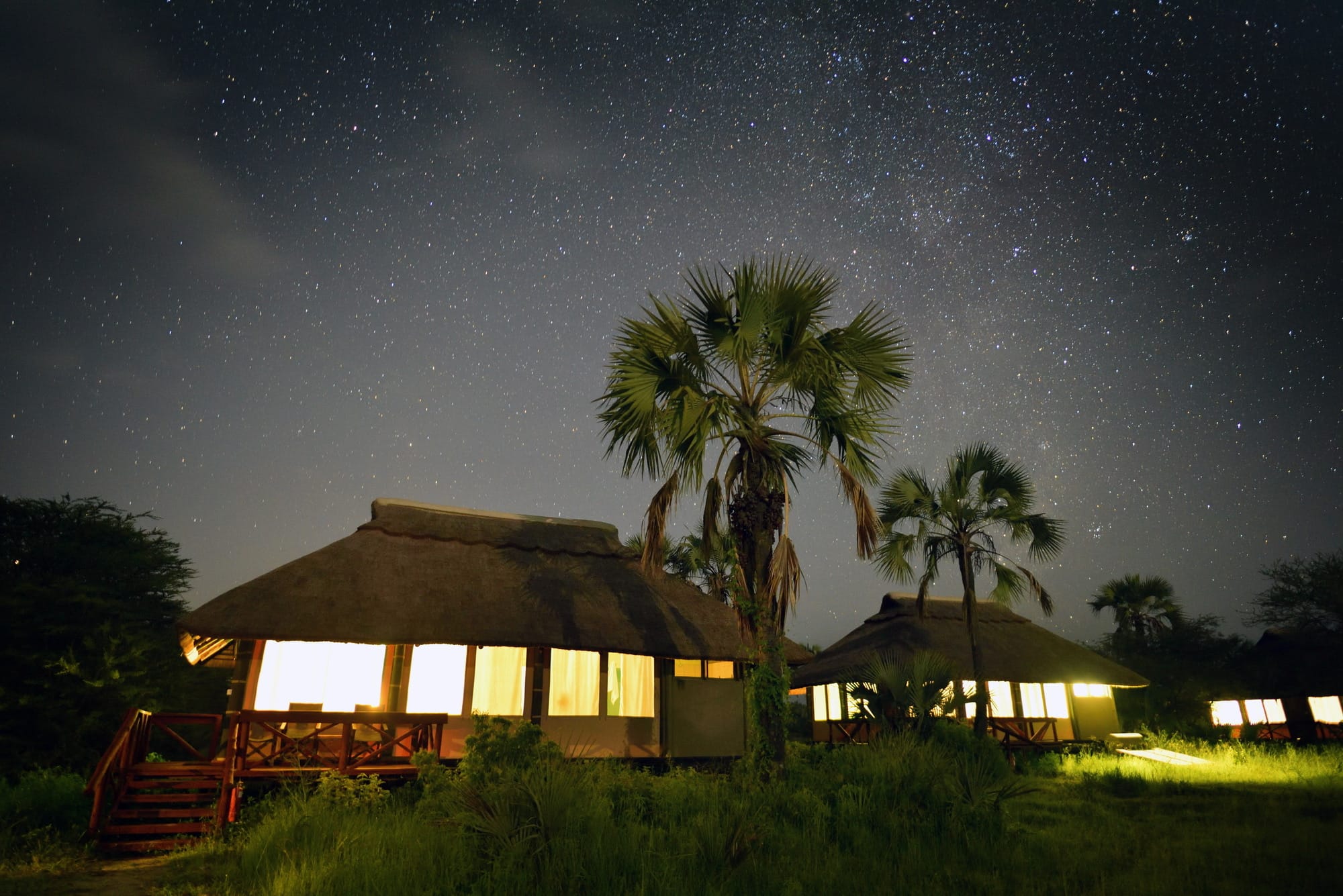
The economics
Why is Botswana twice the price of Kenya?
Every enquiry carries the question and almost nobody publishes the answer, so travellers conclude either that they are being overcharged or that Botswana must be twice as good. Both are wrong, and the real reasons are structural.
Four drivers
Where the money actually goes
None of these is a markup. All four are structural, and understanding them makes the price far easier to plan around.
A deliberate policy
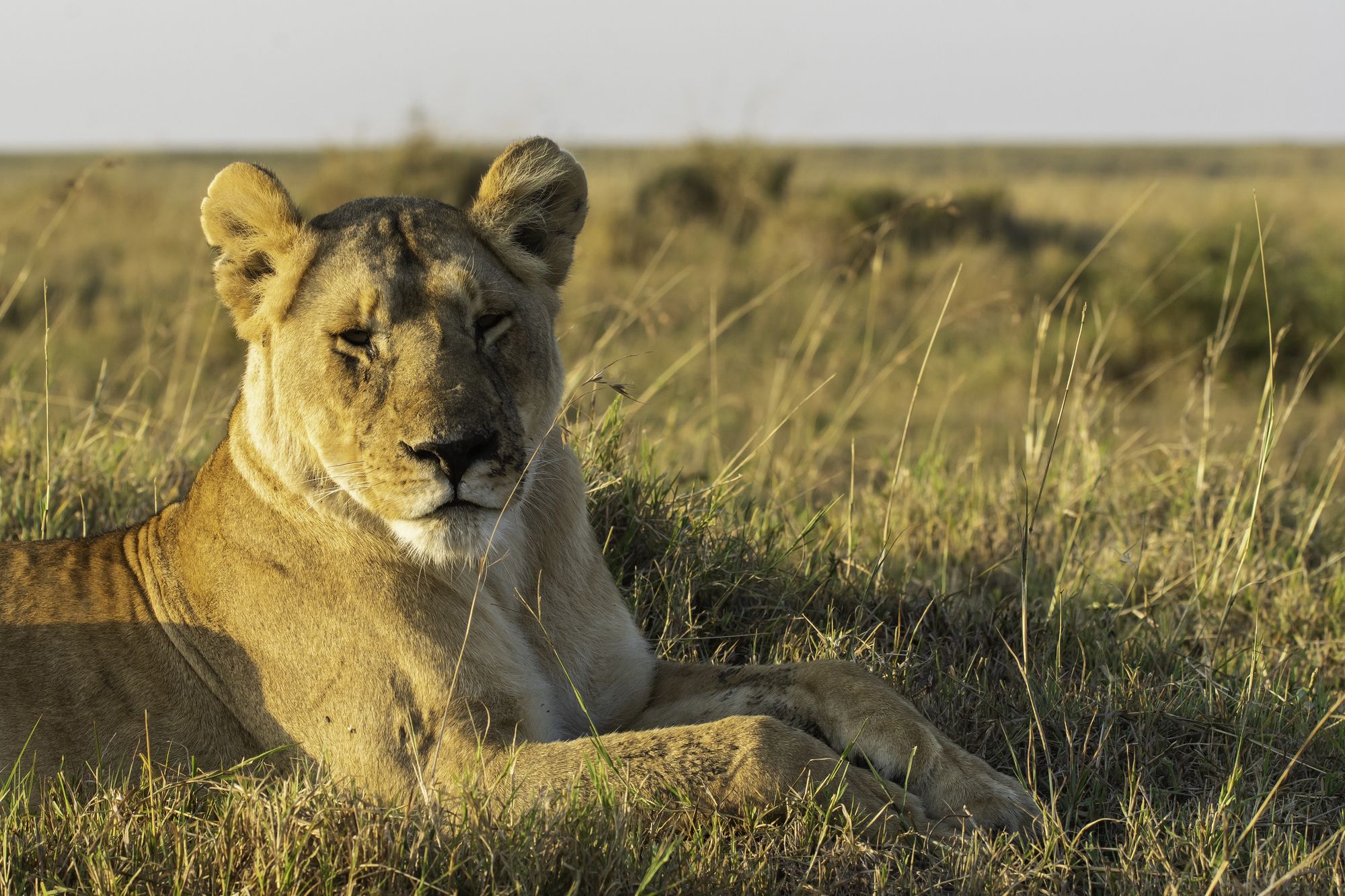
Botswana has pursued high-value, low-volume tourism for decades. Fewer visitors paying more, on the reasoning that crowding destroys the asset.
What it means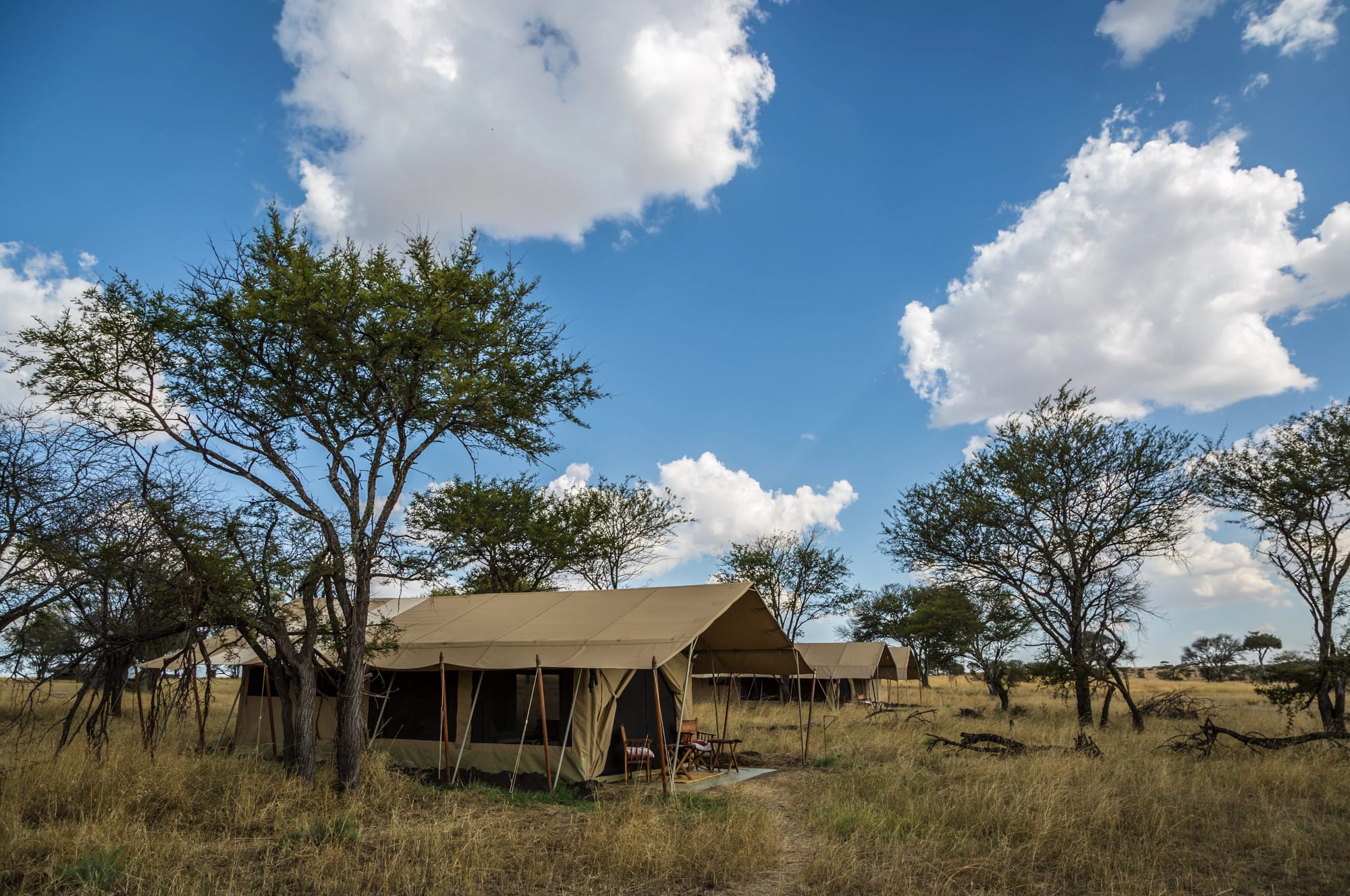
Bed caps on huge land
Nine tents holding a lease over tens of thousands of acres has to earn the rent from eighteen guests. You are buying the emptiness, not the tent.
How leases work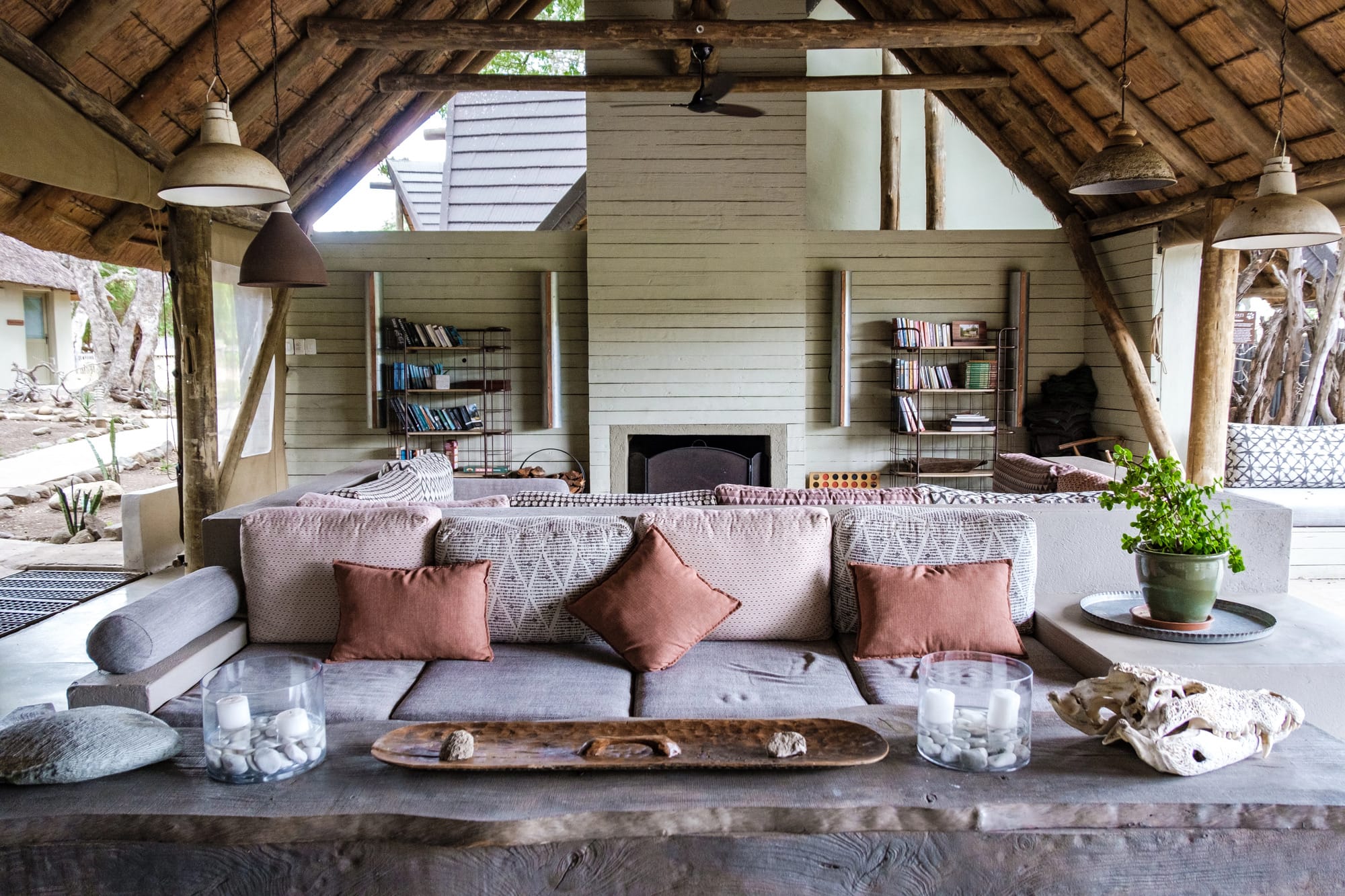
Everything arrives by air
Guests, staff, fuel and a good deal of the food. A permanent cost base rather than a markup, and it applies at every price level.
The cost base
Is it worth it?
Sometimes plainly yes and sometimes plainly no. The answer depends on what you want rather than on what you can spend.
When not to goThe thing you are buying
Not the tent. The emptiness around it.
A nine-tent camp holding a concession lease over an enormous area has eighteen guests to earn the rent from. That is the whole arithmetic of the nightly rate, and it is why an identical standard of camp costs more here than on land where a forty-room lodge would be permitted.
What comes with it is genuinely scarce: days on which you see no other vehicle, off-road driving and night drives that the national parks do not allow, and a sighting that belongs to your vehicle because there are not enough beds nearby to produce a second one.
Whether that is worth roughly double is a real question with a real answer, and the answer is not the same for everybody.
- Very few vehicles, because there are very few beds
- Permissions the parks cannot grant at any price
- Water-based safari that has no equivalent anywhere else
- Fees that pay landholders whether or not anybody comes
Free download
Why Botswana Costs
The chain of reasons behind the price, and an honest page on when Botswana is not worth it.
- The question nobody answers
- Driver one: a deliberate policy
- Driver two: bed caps on enormous land
- Driver three: everything arrives by air
- Driver four: fees paid whether or not you come
- What the money actually buys you
- When Botswana is worth it
- When it is not
- How to spend less without spoiling it
No cost, no obligation. We ask for an email so we can send it and, if you want it, follow up once.
Before you ask
Questions about the price
Is Botswana genuinely twice as good as Kenya?
No, and that is the wrong frame. It is different: emptier, more water-based, with fewer vehicles and a landscape that has no equivalent. Kenya offers more variety, higher big-cat density and far easier logistics for less money.
If the emptiness and the water are what you want, Botswana delivers something Kenya cannot. If you want to see the most, most easily, on a fixed budget, Kenya is the better answer and we will say so.
Are the camps overcharging?
Mostly not, and it is worth understanding why before assuming otherwise. A small camp holding a lease over an enormous concession pays that rent from very few beds, flies in most of what it uses, and pays fees that fall due whether or not guests come.
That is a high cost base rather than a high margin. Where camps do charge more than the structure requires, it tends to be for the hospitality rather than the safari — the same as anywhere.
What is the cheapest sensible Botswana trip?
Two regions rather than three, in a shoulder month, with three nights at each camp. Those three choices together move a Botswana total more than any camp substitution will.
For the green season specifically, the Kalahari and the pans are at their best when the rest of the country is at its quietest and cheapest, and that is the country’s least-known value.
Where does the money go?
Concession fees, bed levies and park charges flow to government and, where the land is community-held, to community trusts. A meaningful part of that is payable on the lease rather than on occupancy.
We are describing the mechanism rather than vouching for outcomes. Where a concession is community-held, the trust generally reports on its own arrangements, and we would rather point you at that than characterise it ourselves.
Who actually arranges my safari?
This site is a planning guide. When you send an enquiry it goes to Nomad Africa, our partner travel agency in Kenya, who prepare your itinerary and quote and handle the booking, the payments and you on the ground.
You deal with one team from the first email to the airport transfer home.
Start planning
Tell us the budget and we will tell you straight
Including, where it applies, that Botswana is the wrong country for what you have described and what the same money buys elsewhere.
Our Botswana specialist replies within 24 hours with an itemised price and an honest comparison.
- Every flight leg, fee and levy itemised rather than bundled
- The shoulder-season version priced alongside the peak one
- An honest note where another country would serve you better
- No deposit to see a plan, and no obligation at any point
Who answers
Nomad Africa, our partner travel agency in Nairobi, builds and prices every itinerary we send. You deal with one team, on the ground, for the whole trip.
Founded in 2017 as East Africa’s only dedicated travel magazine, Nomad still publishes — so the people planning your trip are the ones who write about these places for a living.
Get your tailored itinerary and quote
Our Botswana specialist replies within 24 hours with a costed plan built around your dates.
More from our Botswana guides
Specialist guides across our Botswana network
Each of these is a focused guide we publish. Same Botswana specialist behind every enquiry.